
Why Verbal Agreements Cause Renovation Disasters
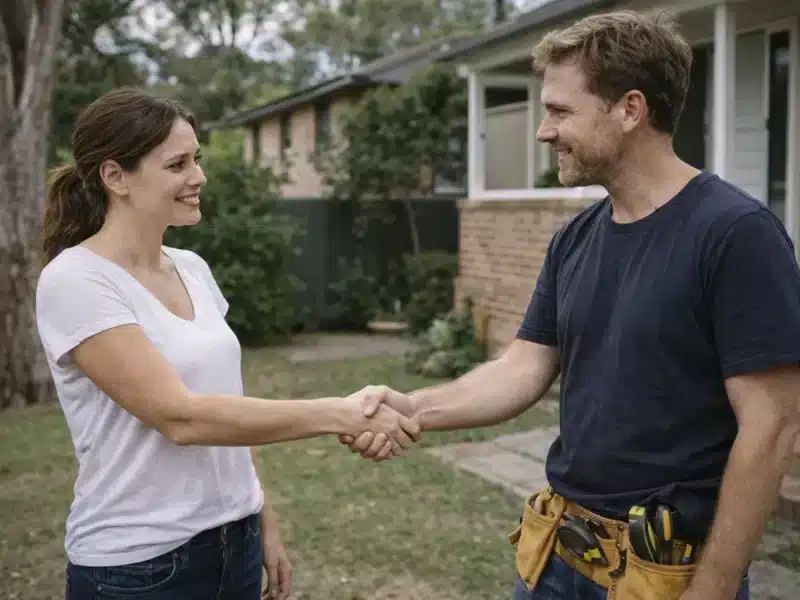
Renovations often begin with excitement and trust. A homeowner meets a tradie, discusses the project and agrees on the work. Sometimes the agreement is sealed with nothing more than a handshake.
However, relying on verbal agreements in renovation projects is one of the biggest risks homeowners can take.
Without written documentation, misunderstandings can quickly escalate into disputes, delays and unexpected costs. In many cases, renovation problems begin because expectations were never clearly recorded.
Understanding why verbal agreements cause renovation disasters can help protect your project from serious issues.
Why Verbal Agreements in Renovation Projects Are Risky
At first, verbal agreements may seem convenient. They save time and may feel more relaxed than formal contracts.
However, verbal agreements rely entirely on memory and interpretation.
Over time, people may remember conversations differently. This can lead to disagreements about:
- Scope of work
- Pricing
- Materials used
- Completion timelines
Without written confirmation, it becomes extremely difficult to prove what was originally agreed.
Because of this, verbal agreements renovation projects rely on often create unnecessary conflict.
Renovation Scope Confusion
One of the most common problems with verbal agreements is unclear project scope.
For example, a homeowner might assume the quote includes:
- Site clean-up
- Waste removal
- Finishing touches
Meanwhile, the tradie may believe those items were never included.
Without a written contract outlining the full scope of work, small misunderstandings can quickly become major disagreements.
Clear documentation ensures everyone understands exactly what the renovation includes.
Pricing Disputes
Pricing disagreements are another common outcome of verbal agreements.
During early conversations, homeowners and tradies may discuss approximate costs. However, without written confirmation, those numbers can easily be interpreted differently.
For example, was the price:
- An estimate?
- A fixed quote?
- Excluding materials?
- Subject to variations?
If these details are not recorded in writing, disputes can arise when invoices appear later.
This is why written quotes are essential in any renovation project.
Timeline Expectations Become Unclear
Renovation timelines are another area where verbal agreements create confusion.
A homeowner might expect a project to be completed within a few weeks, while the contractor may have discussed a longer timeframe.
Without written timelines, scheduling disagreements become difficult to resolve.
Realistic renovation timelines should always be documented clearly.
Our guide on realistic renovation timelines explains why rushing projects often leads to delays and mistakes.
Legal Protection Is Limited
Another major issue with verbal agreements renovation projects rely on is legal protection.
If a dispute occurs, written contracts provide evidence of what was agreed.
Verbal agreements, however, can be difficult to prove.
This can make it much harder to resolve issues through mediation or legal processes.
For this reason, many building regulations strongly recommend written agreements for renovation work.
Changes and Variations Become Hard to Manage
Renovation projects often involve changes along the way. Materials may change, layouts may be adjusted or additional work may be required.
When a written contract exists, variations can be documented and agreed upon before work continues.
However, when a renovation relies on verbal agreements, tracking these changes becomes nearly impossible.
This often leads to disagreements about costs and responsibilities later in the project.
How Written Agreements Protect Both Sides
Written agreements are not just about protecting homeowners. They also protect tradies.
Clear documentation ensures that both parties understand:
- Project scope
- Pricing structure
- Timeline expectations
- Responsibilities
When everything is recorded in writing, misunderstandings are far less likely to occur.
For homeowners preparing a project, our guide on planning a renovation before calling tradies explains how to organise these details early.
What a Renovation Contract Should Include
A proper renovation contract should clearly outline:
- Detailed scope of work
- Labour and material costs
- Payment schedule
- Estimated completion timeline
- Variations process
These details create transparency and help prevent disputes.
Taking the time to prepare proper documentation can save enormous stress later.
Planning A Renovation?
Ready 2 Reno connects homeowners with qualified tradies who understand professional quoting, clear contracts and transparent project expectations.
Start your renovation with confidence today.
Final Thoughts on Verbal Agreements in Renovation Projects
Verbal agreements in renovation projects may feel simple at the beginning, but they often lead to confusion and disputes later.
Without written documentation, expectations around scope, pricing and timelines can quickly become unclear.
By using written quotes and clear contracts, homeowners and tradies can avoid many of the renovation disasters that occur when agreements are based only on conversation.
Clear communication and proper documentation are the foundation of a successful renovation.