
Renovation Timelines: How Long Each Stage Really Takes
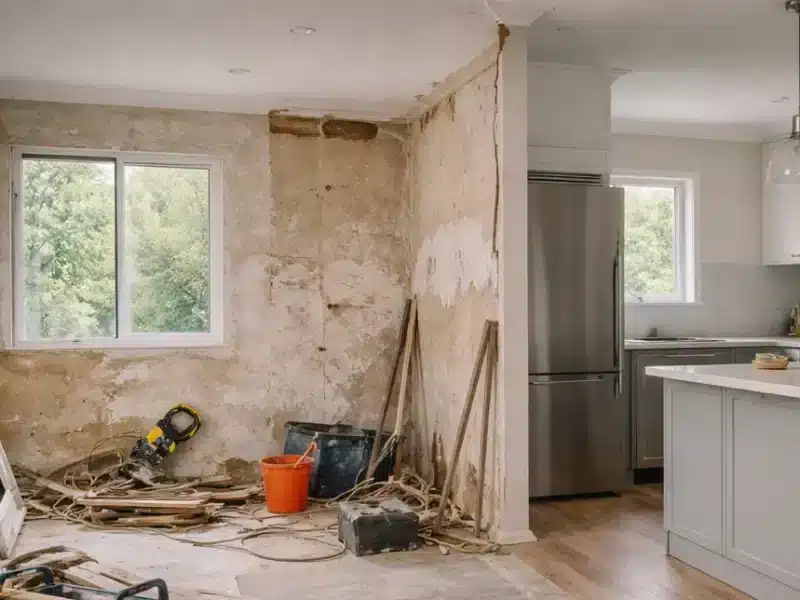
Renovation timelines are one of the most misunderstood parts of renovating a home in Australia. Many homeowners assume that once a tradie starts, the job should move quickly. In reality, renovation timelines are shaped long before work begins on site.
Understanding how long each stage really takes helps you plan better, manage expectations, and avoid unnecessary stress during your renovation.
Renovation timelines are one of the most misunderstood parts of renovating a home in Australia. Many homeowners assume that once a tradie starts, the job should move quickly. In reality, renovation timelines are shaped long before work begins on site.
Understanding how long each stage really takes helps you plan better, manage expectations, and avoid unnecessary stress during your renovation.
The Planning Stage Takes Longer Than Most People Expect
The biggest misconception around renovation timelines is how much time planning actually takes.
Before any work starts, most homeowners go through:
- Defining the scope of work
- Setting a realistic budget
- Choosing layouts, finishes, and fixtures
- Getting quotes and comparing tradies
This planning stage often takes 4 to 8 weeks, sometimes longer. Rushing decisions here is one of the most common reasons renovation timelines blow out later.
The biggest misconception around renovation timelines is how much time planning actually takes.
Before any work starts, most homeowners go through:
- Defining the scope of work
- Setting a realistic budget
- Choosing layouts, finishes, and fixtures
- Getting quotes and comparing tradies
This planning stage often takes 4 to 8 weeks, sometimes longer. Rushing decisions here is one of the most common reasons renovation timelines blow out later.
Design, Approvals and Material Lead Times
Not all renovations need council approval, but when they do, timelines increase quickly.
Time may be required for:
- Drafting or design drawings
- Engineering or compliance checks
- Council or private certifier approvals
- Ordering materials with long lead times
Cabinetry, tiles, fixtures, and custom items can take 6 to 10 weeks to arrive. If these lead times aren’t accounted for early, renovation timelines can stall before work even begins.
Not all renovations need council approval, but when they do, timelines increase quickly.
Time may be required for:
- Drafting or design drawings
- Engineering or compliance checks
- Council or private certifier approvals
- Ordering materials with long lead times
Cabinetry, tiles, fixtures, and custom items can take 6 to 10 weeks to arrive. If these lead times aren’t accounted for early, renovation timelines can stall before work even begins.
How Long Common Renovations Usually Take
Once construction starts, renovation timelines vary depending on complexity, coordination, and preparation.
As a general guide:
- Bathroom renovation: 3–6 weeks
- Kitchen renovation: 4–8 weeks
- Single‑room renovation: 2–4 weeks
- Whole‑home renovation: 3–6 months
- Extensions or structural renovations: 4–9 months
These timeframes assume clear scope, organised trades, and minimal changes during the build.
Once construction starts, renovation timelines vary depending on complexity, coordination, and preparation.
As a general guide:
- Bathroom renovation: 3–6 weeks
- Kitchen renovation: 4–8 weeks
- Single‑room renovation: 2–4 weeks
- Whole‑home renovation: 3–6 months
- Extensions or structural renovations: 4–9 months
These timeframes assume clear scope, organised trades, and minimal changes during the build.
Why Renovation Timelines Often Blow Out
Delays rarely come down to slow tradies alone. Most renovation timeline issues are caused by uncertainty.
Common reasons include:
- Changes to layout or finishes after work starts
- Hidden issues discovered during demolition
- Delayed materials
- Poor trade sequencing
- Unclear scope or unrealistic expectations
Even small changes can add days or weeks once trades are already scheduled.
Delays rarely come down to slow tradies alone. Most renovation timeline issues are caused by uncertainty.
Common reasons include:
- Changes to layout or finishes after work starts
- Hidden issues discovered during demolition
- Delayed materials
- Poor trade sequencing
- Unclear scope or unrealistic expectations
Even small changes can add days or weeks once trades are already scheduled.
How to Keep Your Renovation Timeline on Track
While no renovation runs perfectly, many delays are avoidable.
To protect your renovation timeline:
- Finalise designs and selections before work begins
- Build buffer time into your schedule
- Choose tradies with renovation experience
- Keep decisions and changes documented
- Avoid making changes once construction starts
Good planning upfront saves time later.
While no renovation runs perfectly, many delays are avoidable.
To protect your renovation timeline:
- Finalise designs and selections before work begins
- Build buffer time into your schedule
- Choose tradies with renovation experience
- Keep decisions and changes documented
- Avoid making changes once construction starts
Good planning upfront saves time later.
How Ready 2 Reno Helps With Realistic Renovation Timelines
Ready 2 Reno connects homeowners with experienced renovation tradies who understand real‑world renovation timelines — not best‑case scenarios.
Because tradies aren’t competing in a race to the bottom, projects are scoped more accurately and scheduled more realistically, reducing delays and frustration.
Ready 2 Reno connects homeowners with experienced renovation tradies who understand real‑world renovation timelines — not best‑case scenarios.
Because tradies aren’t competing in a race to the bottom, projects are scoped more accurately and scheduled more realistically, reducing delays and frustration.
Final Thoughts
Renovation timelines aren’t just about how long work takes on site. They’re shaped by planning, approvals, decisions, and communication long before day one.
If you plan for time the same way you plan for cost, your renovation is far more likely to run smoothly — and finish without nasty surprises.
Renovation timelines aren’t just about how long work takes on site. They’re shaped by planning, approvals, decisions, and communication long before day one.
If you plan for time the same way you plan for cost, your renovation is far more likely to run smoothly — and finish without nasty surprises.